


12-Day Galapagos & Amazon Birding Experience
TRIP OVERVIEW
This complete Experience takes you to the two most iconic biodiverse places on Earth: the Galapagos and the Yasuni National Park. Some of the most unique animal species live in these places and await visitors to visit them.
itinerary
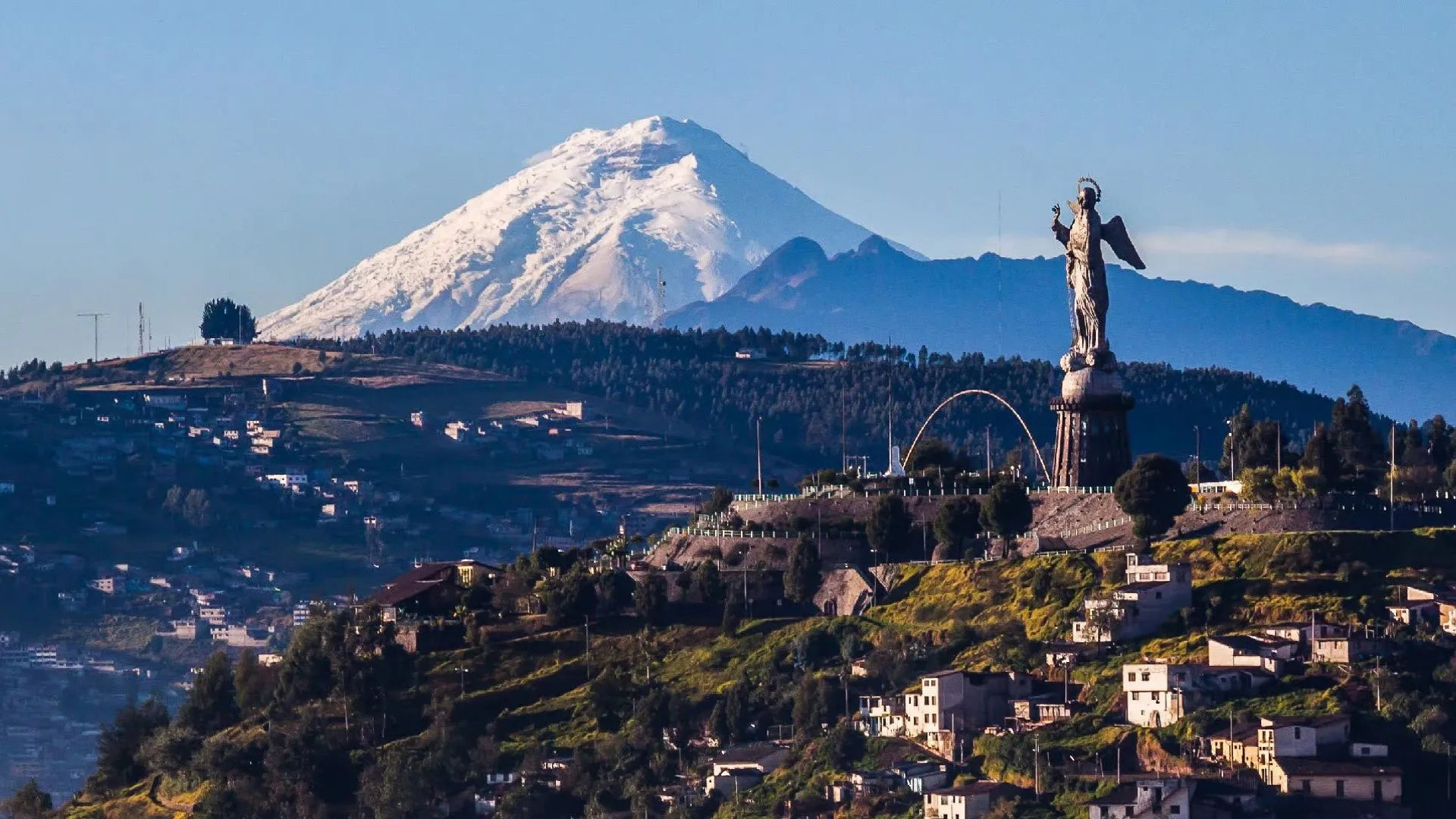
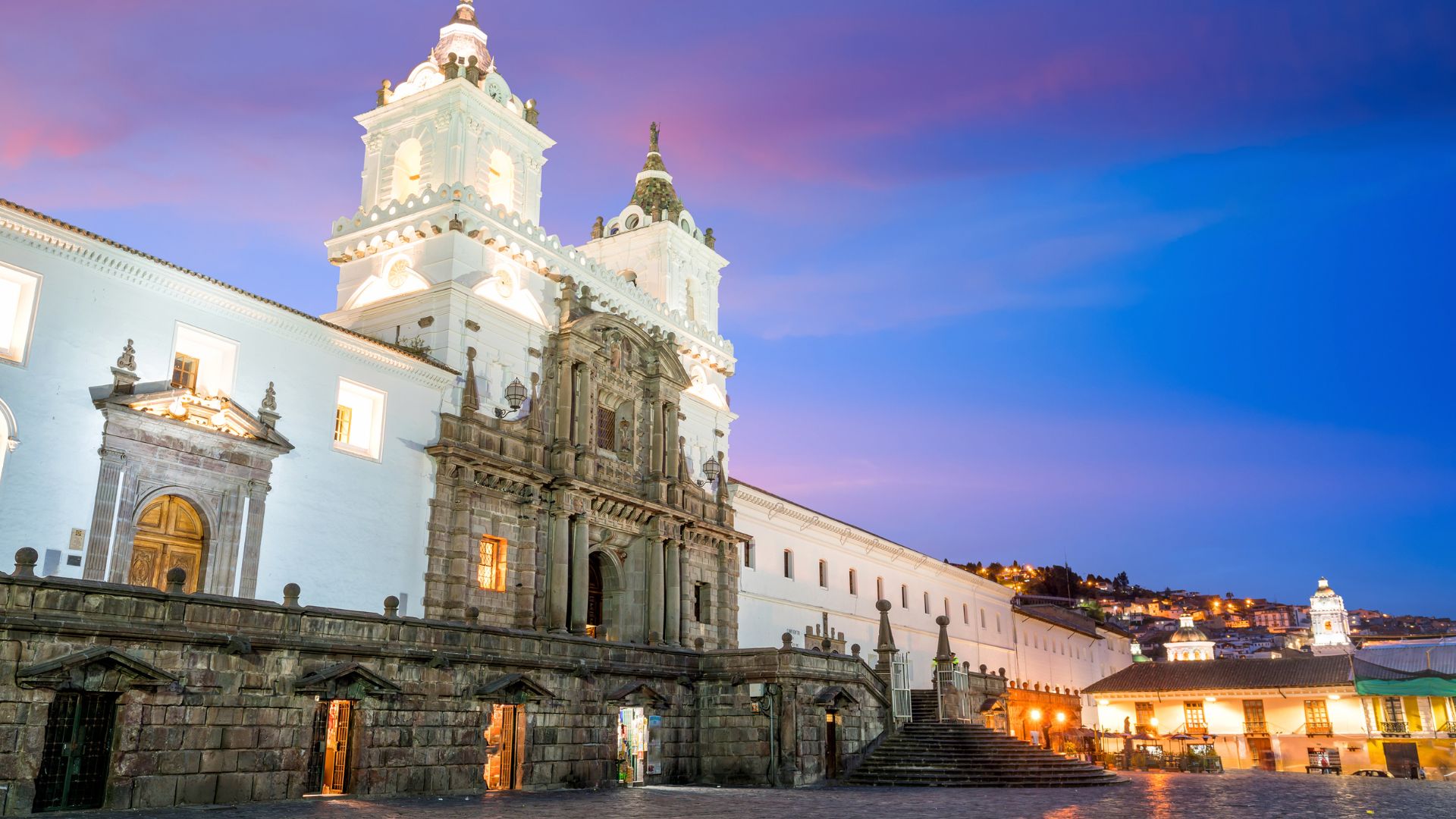
Arrival in Quito, one of South America’s most attractive colonial capitals. Nestled at the foot of the Pichincha volcano, Quito is the second-highest capital in the world at 9,000 feet above sea level. Hotel check-in is usually available in the afternoon. Settle in and relax; dinner tonight is at your leisure.
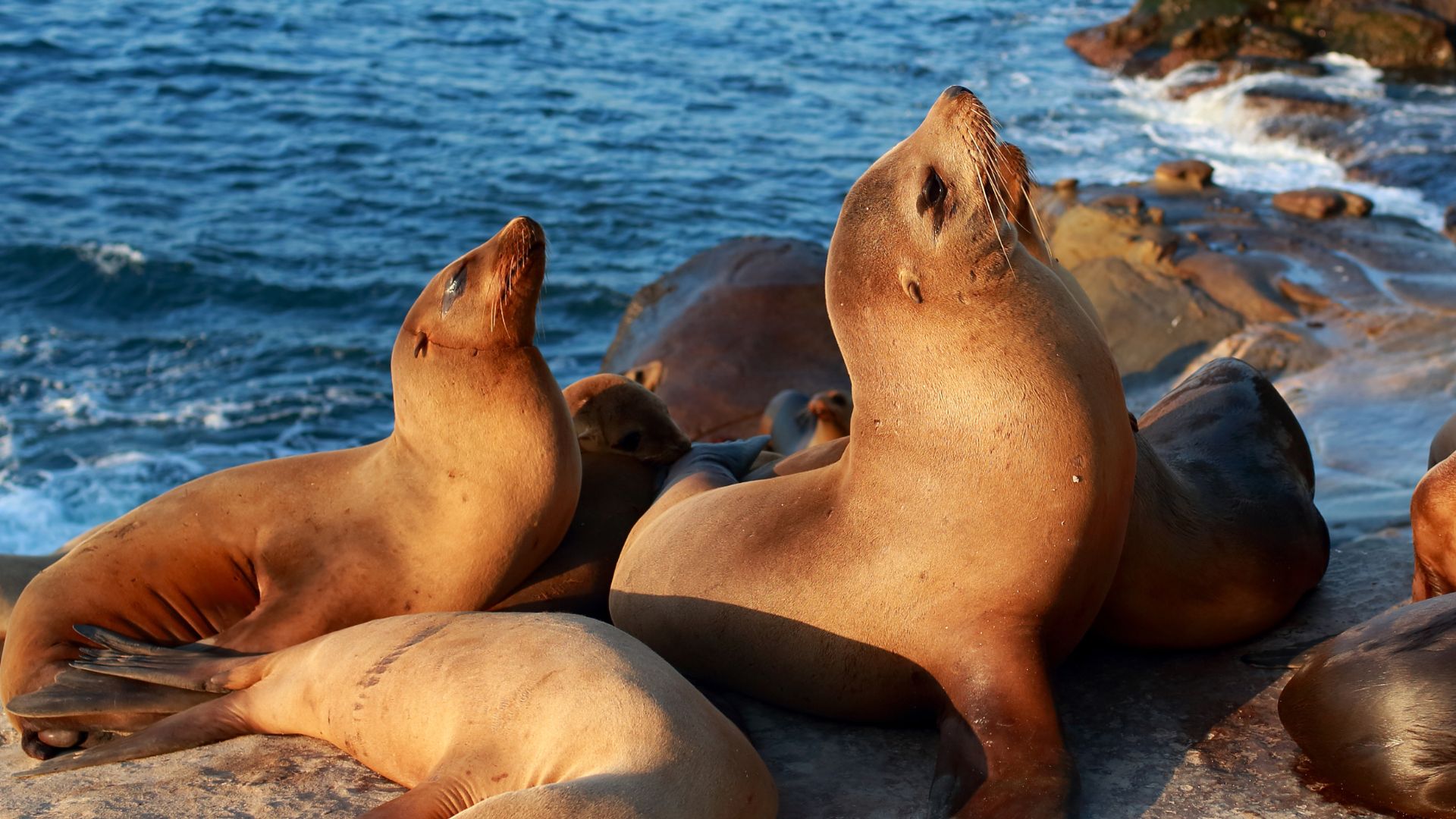
The town of Puerto Baquerizo Moreno on San Cristobal is the capital and administrative center of the Galapagos Islands. In the afternoon, we will visit Playa La Loberia, which is a popular tourist spot. As its name implies, it’s well-known for hosting a large colony of sea lions, one of the iconic species of the Galapagos.
Sea lions are naturally curious and often unafraid to approach people, allowing visitors to experience close encounters and observe their natural behavior up close in their native environment.
Here, we can walk along a path where we can see iguanas and sea turtles. We can also find button mangrove, white mangrove, and palo santo.
Española Island (or Hood, in honor of the British admiral Samuel Hood) is, with 60 km², one of the smallest islands that form the Ecuadorian archipelago of the Galapagos Islands. It is the oldest of all, with about 300 million years of existence.
Uninhabited, there live several animal species of interest, such as the endemic mockingbird of Hispaniola, the Galapagos dove, the Galapagos Gull, the marine iguana, the albatross, and the pinnipeds.
Two places are especially popular with visitors: Gardner Bay, which has a beach renowned for its beauty, and Punta Suarez, of interest for its variety of birds. Gardner Islet is the most beautiful in all of Galapagos. It is home to many colonies of sea lions, and turquoise water makes a beautiful contrast with white sand consisting of shell dust. On the rocks are mixed large marine iguanas and zayapas.
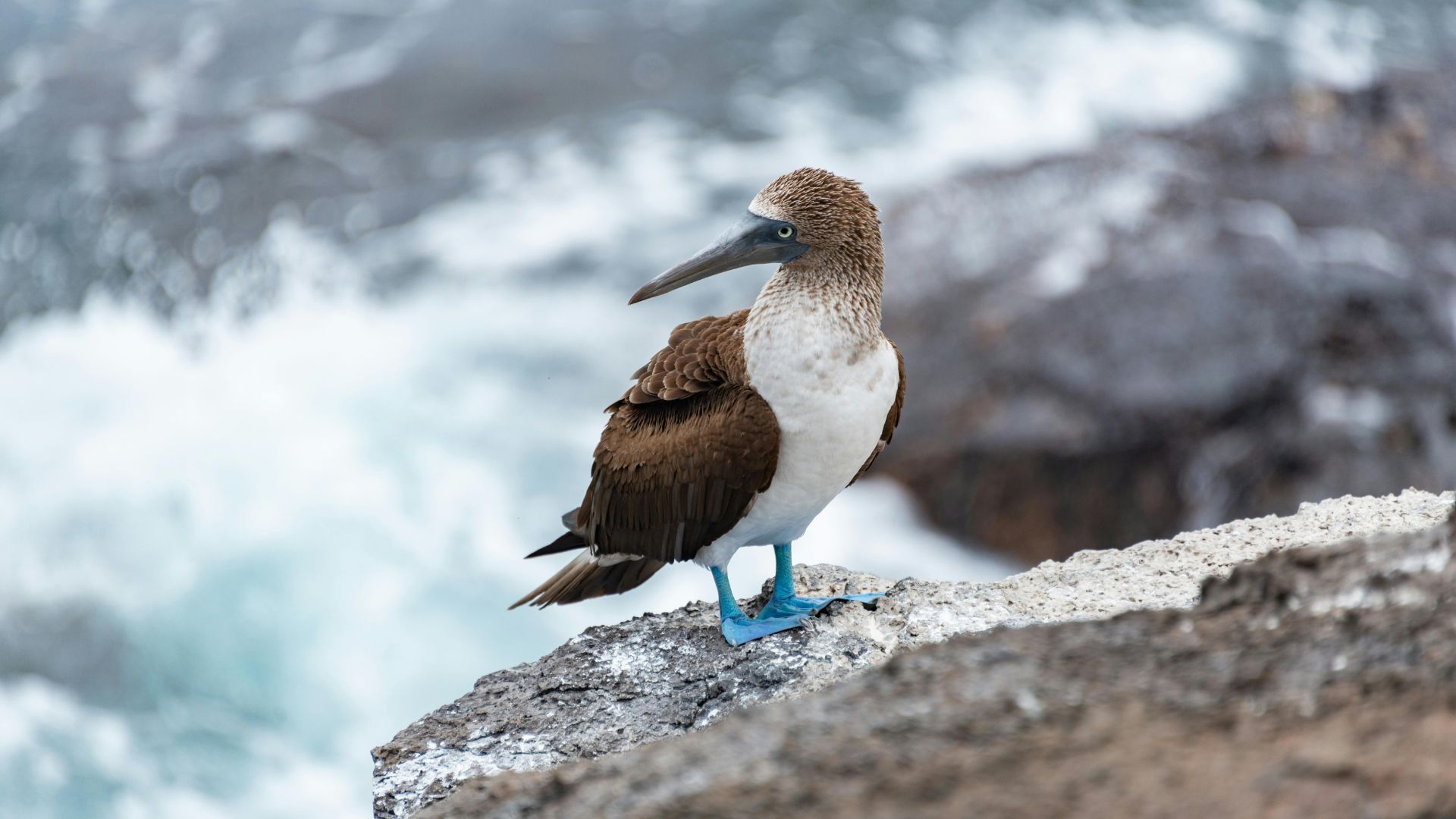
Punta Suarez is located on the west end of the island. The tourist trail is about 2 km long and goes from one end of the island to the other while revealing the spectacular life of the birds. There are many blue-footed boobies nesting; you should be careful not to step on one of their nests (depending on the season).
You can observe red marine iguanas that are spread in the sun or the buzzards on the top of the trees. They hunt juvenile blue-footed boobies. Following the path, you can find masked boobies that are nesting almost all year round on the cliffs.
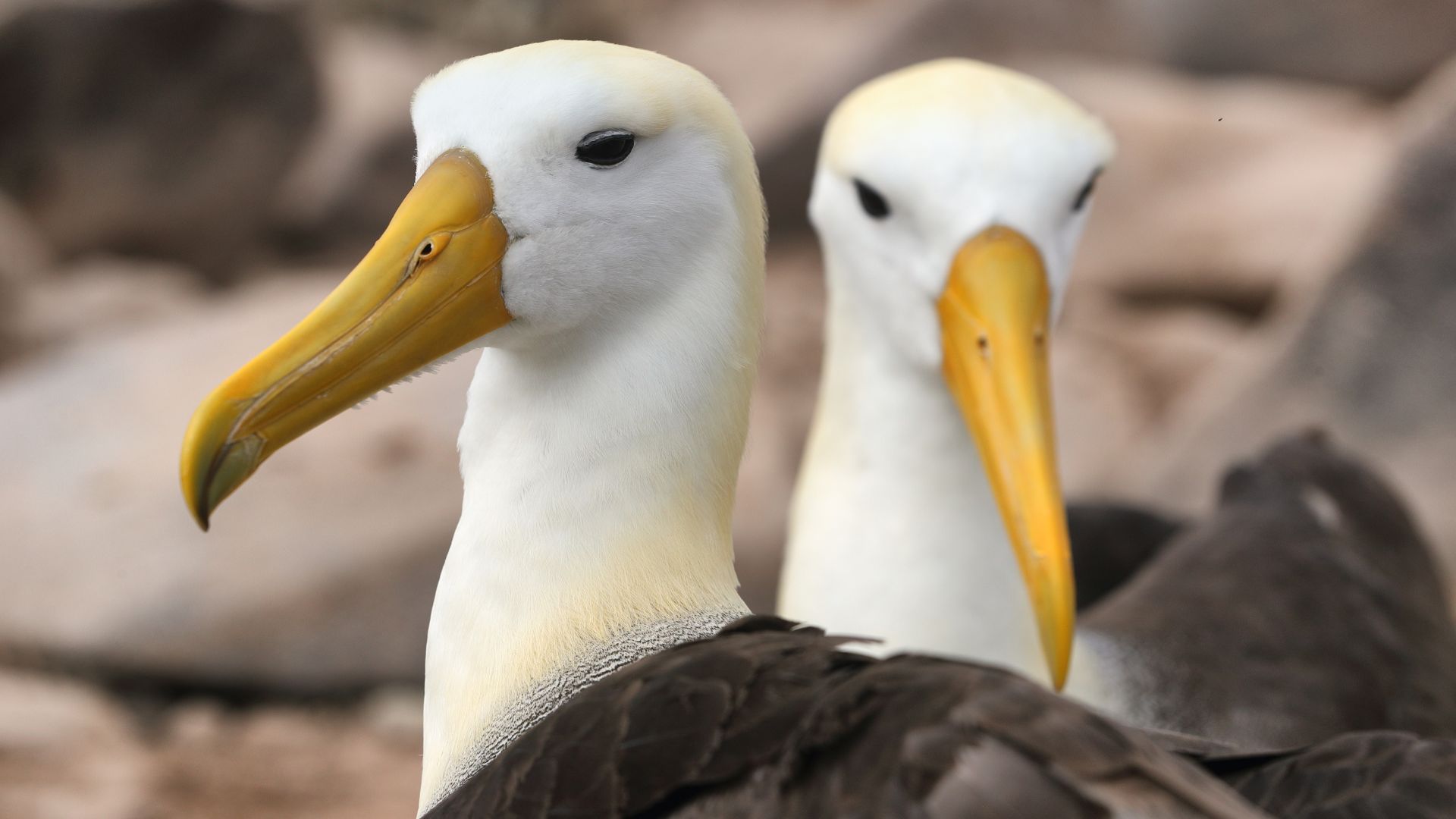
The culmination of the tour is undoubtedly the colony of Galapagos albatrosses, which are endemic to this island and found nowhere else on the islands or in the world. In the middle of March and the end of December, there are around 12,000 of these fascinating birds with wings of about 2.40 m.
Upon arrival at Baltra Airport, your guide will meet you with a name tag and begin your adventure. You will then take a bus to the Itabaca Channel for a 5-minute ferry ride to Santa Cruz Island, followed by a one-hour drive to Puerto Ayora.
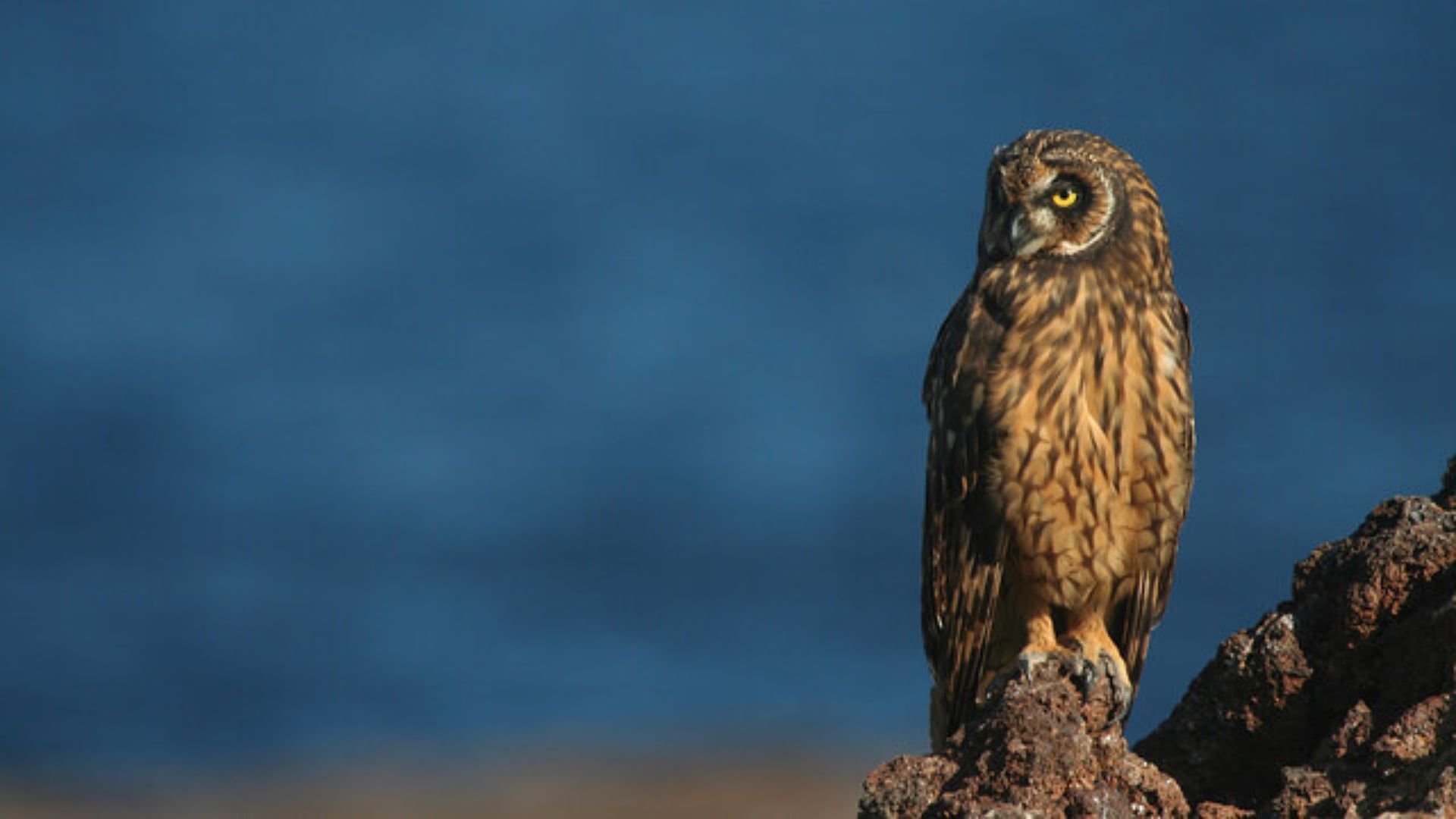
You’ll travel to the Santa Cruz highlands to seek out elusive island endemics in beautifully unique habitats. In the highlands, you may see the shy Galapagos Rail, Short-eared Owl, large and small tree-finches, vegetarian finch, Woodpecker Finch, Green Warbler-Finch, Large Tree-Finch, in addition to Dark-billed Cuckoo.
We will visit a reserve to see wild giant tortoises. We should have little trouble locating the massive beasts as they feed in the open pastures of the reserve. You will also walk through a lava tube left over from Santa Cruz’s active volcanic island-building days.
Located in Puerto Ayora on the southern coast of the island, the Charles Darwin Research Station is a leading facility dedicated to the preservation of the Galapagos Giant Tortoise.
The station’s paths, enclosures, and breeding areas are thoughtfully designed. During our visit, a knowledgeable Galapagos guide will share detailed insights about the tortoises and the conservation techniques used to protect and breed them.
These gentle giants, the largest tortoises on Earth, have suffered dramatic population declines due to centuries of hunting and collection. Sadly, only 11 of the original 14 species are believed to remain. Ongoing research at the station continues to play a crucial role in securing its future survival.
In the afternoon, you will check into your selected hotel and relax in this magical atmosphere.
Today you will explore one of the stunning nearby islands and experience even more of the Galapagos’ natural wonders. A sailing tour is a perfect way to explore the ocean and its surroundings. These popular tours include hiking, wildlife encounters, and snorkeling, with lunch served on board the yacht.
FLOREANA
At 07h15, go to the meeting point to transfer to the pier of Puerto Ayora, where a guide will be waiting for you to embark on the ferry boat that will take you to Floreana Island. The ride to Floreana Island is 2 hours.
Upon arrival at Puerto Velasco Ibarra, sea lions and colorful marine iguanas will welcome you. A local transportation called a “chiva” will take you to the upper part of the island. Within a 30-minute journey, you will be able to observe the different, ever-changing vegetation: from dry to arid to the greenish vegetation, full of banana trees, coffee, cocoa, and tropical produce.
Accompanied by a guide, you will take a walk where you will come across giant tortoises, birds, and see varied flora. Continuing with the tour, you will arrive at the rocky base known as “Asylum of Peace.” This place is full of history!
A German family named Wittmer lived here in 1932. You will discover the pirate caves and a massive face carved in stone. Be sure to admire the beautiful landscapes from this natural viewpoint. The “chiva” will transfer you from the highlands to the town, and after a 900-meter journey, you will arrive at the site called La Loberia, which is full of sea lions and marine iguanas. While snorkeling here, you will be able to observe sea turtles, octopuses, and colorful fish.
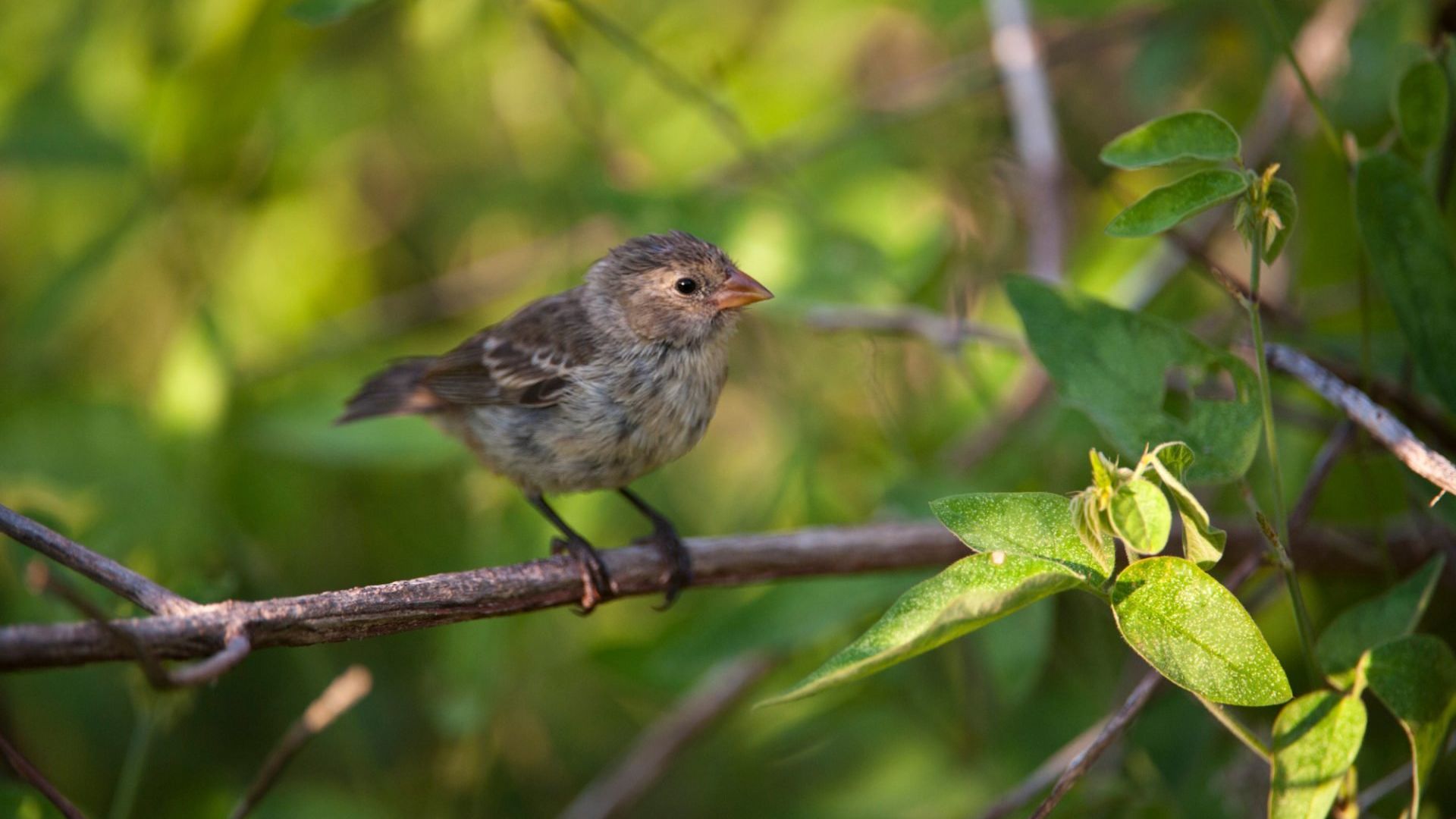
Here we will have the opportunity to see Common Galapagos Cactus Finch, Galapagos Small Ground Finch, Galapagos Medium Ground Finch, Galapagos Small Tree Finch, Galapagos Medium Tree Finch (exclusive in Floreana), Grey Warbler Finch, and Galapagos Green Warbler Finch.
In the morning, hop to Isabela Island, the largest island in the archipelago, where most of the volcanic activity in the Galapagos is reported. The island was formed by six shield volcanoes, Alcedo, Cerra Azul, Darwin, Ecuador, Sierra Negra, and Wolf; five of them are still active which makes the island one of the most volcanically active places on earth, once we arrive enjoy an incredible hike to The Arnaldo Tupiza breeding center, located 1.2 km from Puerto Villamil.
The trail passes through mangrove ecosystems, wetlands, lava fields, carob forests, and Manzanillo. The center will cover the different pens where turtle populations are observed: Casserole, Five Hills, Roca Union, San Pedro, Caleta Iguana, Tables, and Cerro Paloma, and belong to the species present in the volcanoes Cerro Azul and Sierra Negra. In the afternoon, we will visit Tintoreras Islet, located at a short distance from Puerto Villamil.
Las Tintoreras are a group of small islets located south of Puerto Villamil on Isabela Island, known for their incredible marine life, including the presence of white-tip sharks, known as tintoreras. The area is accessible by boat, with an approximate travel time of 30 minutes. There is a water crevice where the white-tip reef shark (Triaenodon obesus) is occasionally seen resting.
On a small beach, you can find Nolana galapagensis plants, which are typical of the coastal zone and belong to a genus whose distribution is limited to Chile and Peru. In the mangrove area, there is a significant colony of sea lions (Zalophus wollebaeki).
Due to the absence of introduced animals, the reproductive success of marine iguanas (Amblyrhynchus cristatus) is high, as they use the small beaches and parts of the trail as nesting sites. Take a walk along the lava trails to observe colonies of marine iguanas, sea lions, and various bird species.
After our final breakfast on the Galapagos Islands and the last photos taken of sea lions, we will have a transfer to Baltra’s airport in time to catch the flight back to the mainland.
Begin your adventure in El Coca, where you’ll meet your tour leader before heading down the Auca Road toward the Shiripuno River. After a two-hour drive, board a canoe for a scenic ride deep into the rainforest. Along the way, watch for monkeys, colorful birds, and other wildlife as the jungle comes to life around you. Upon arrival at WAO Kamp, settle and enjoy a warm welcome from our staff.
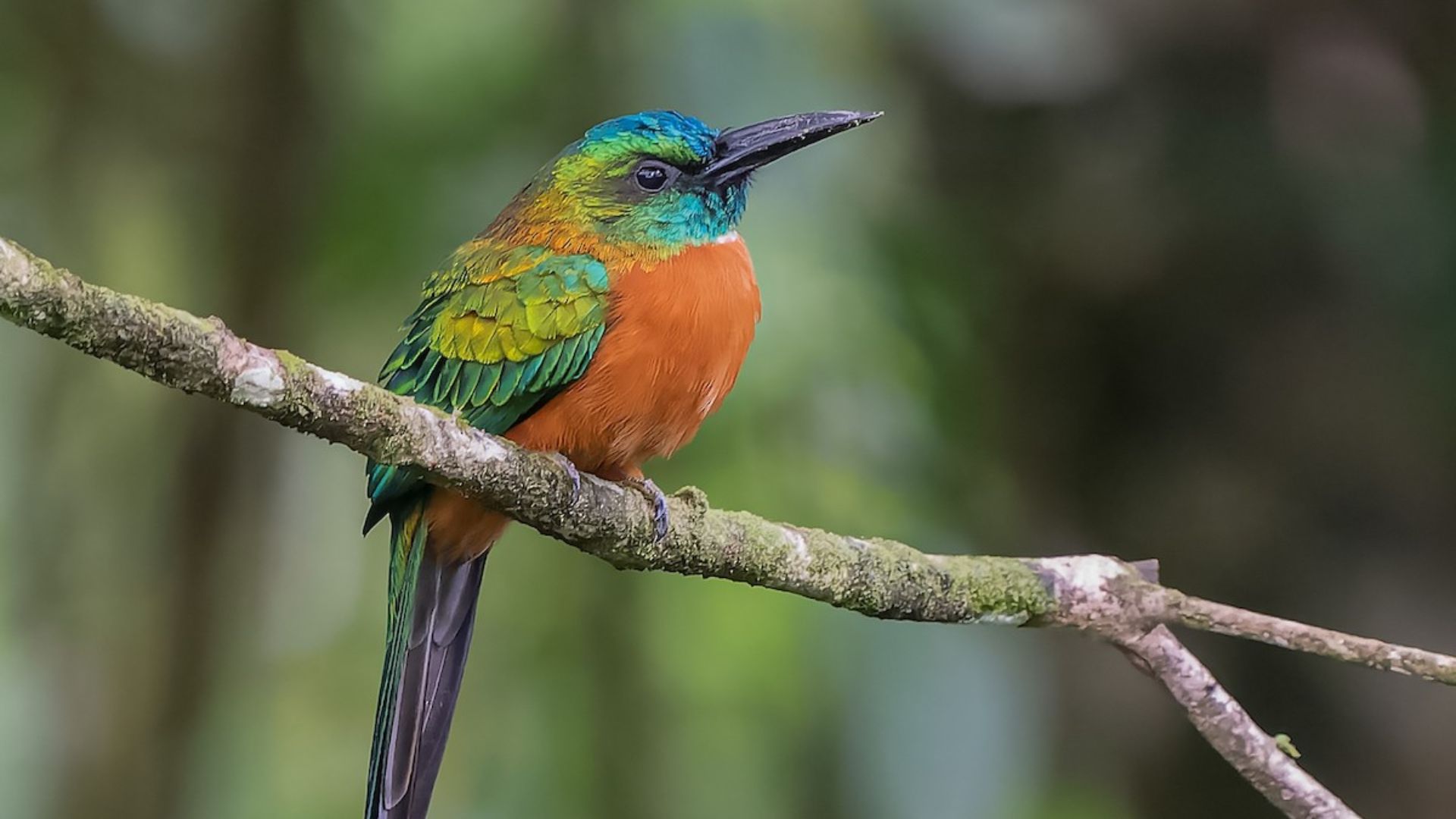
Later in the afternoon, explore the Jacamar Trail, a prime spot for birdwatching. Keep an eye out for species like the Great Jacamar, White Hawk, and Black-faced Hawk, often spotted among mixed flocks. Spend the evening immersed in the heart of Yasuni at WAO Kamp.
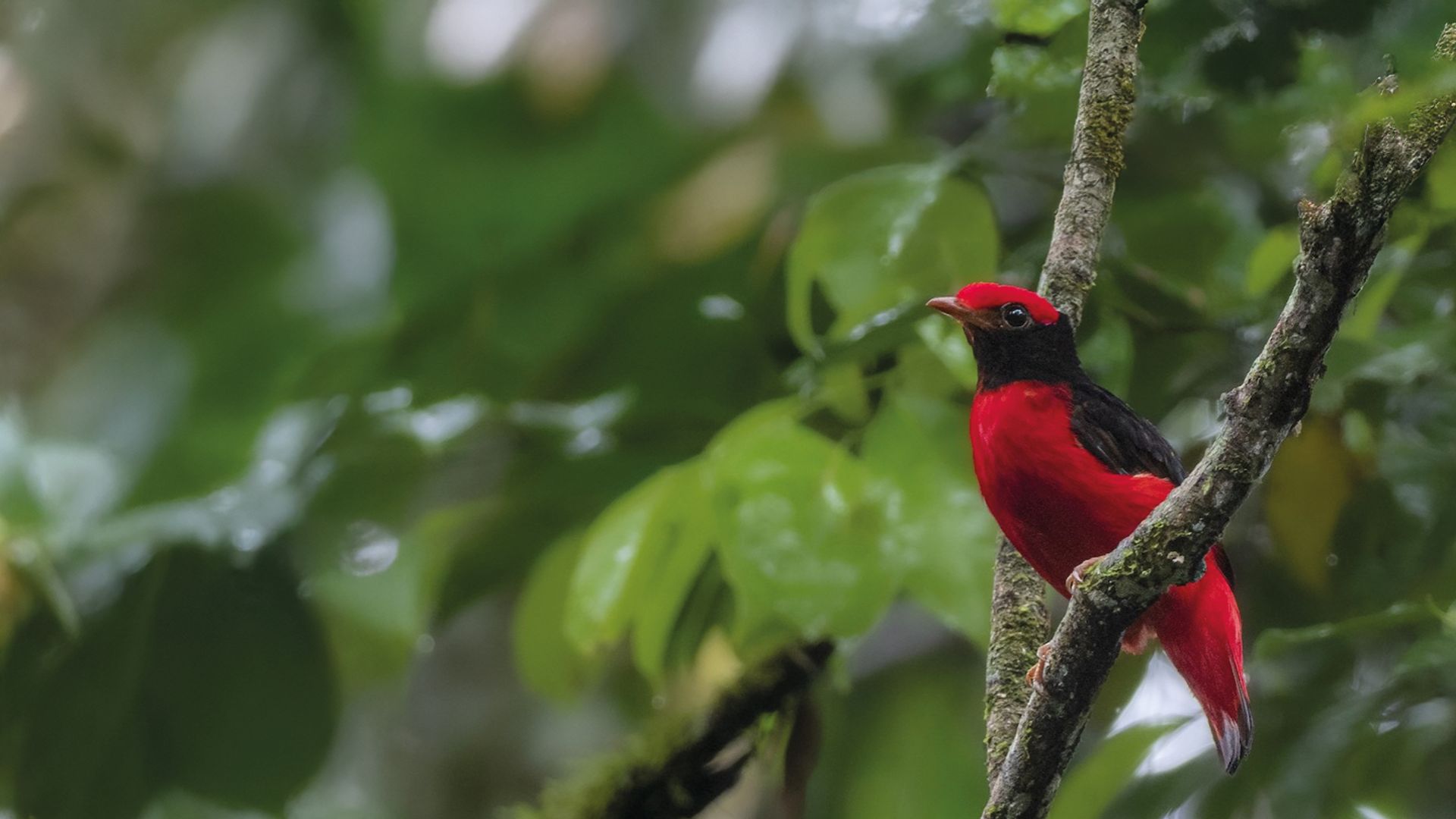
Rise early for a full-day birding expedition along the Cotinga Trail, one of the most rewarding routes for serious birders. This trail is ideal for spotting the Black-necked Red Cotinga, the dazzling Fiery Topaz, and both Green and Olive Oropendolas. The area is also frequented by macaws, fruit eaters, and a variety of colorful passerines. The trail goes through habitats ideal for encountering rare canopy species. You might spot the elusive Pavonine Quetzal or a roosting Rufous Potoo.
You’ll move at your own pace, with meals adjusted to suit the day’s sightings and activity.
Return to WAO Kamp to rest and review the day’s highlights, surrounded by the sounds of the rainforest.
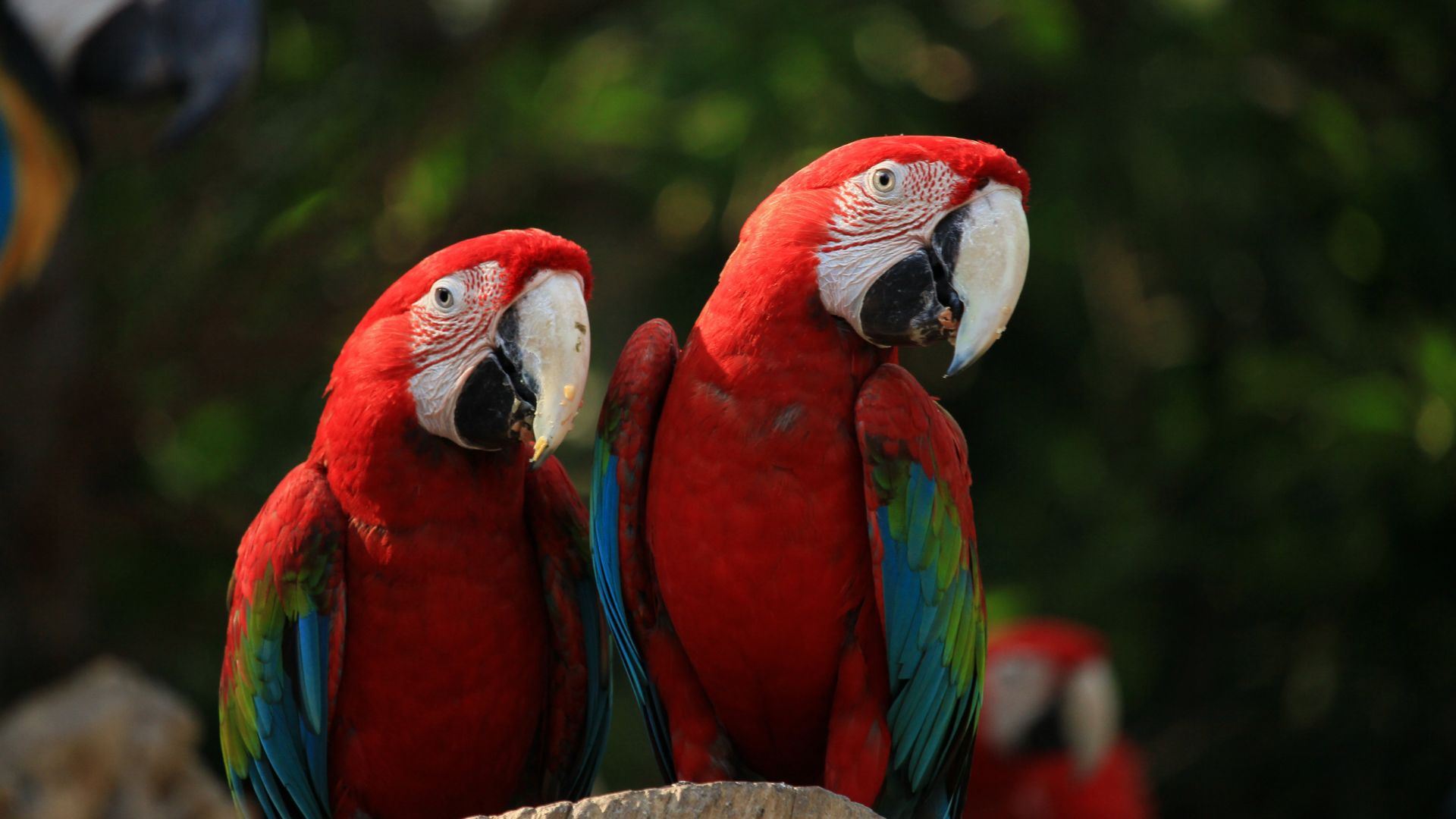
Start the day with an early morning canoe ride downriver, scanning the banks for different species. You’ll most likely spot the Agami Heron, Sunbittern, King Vulture, and the striking Red-and-green Macaw.
Upon arrival at El Mirador, spend the day exploring its trails and lagoon areas. In the surrounding rich habitats, birders may encounter a variety of forest dwellers. It is the perfect place to spot the Pavonine Quetzal and the Black-banded Owl.
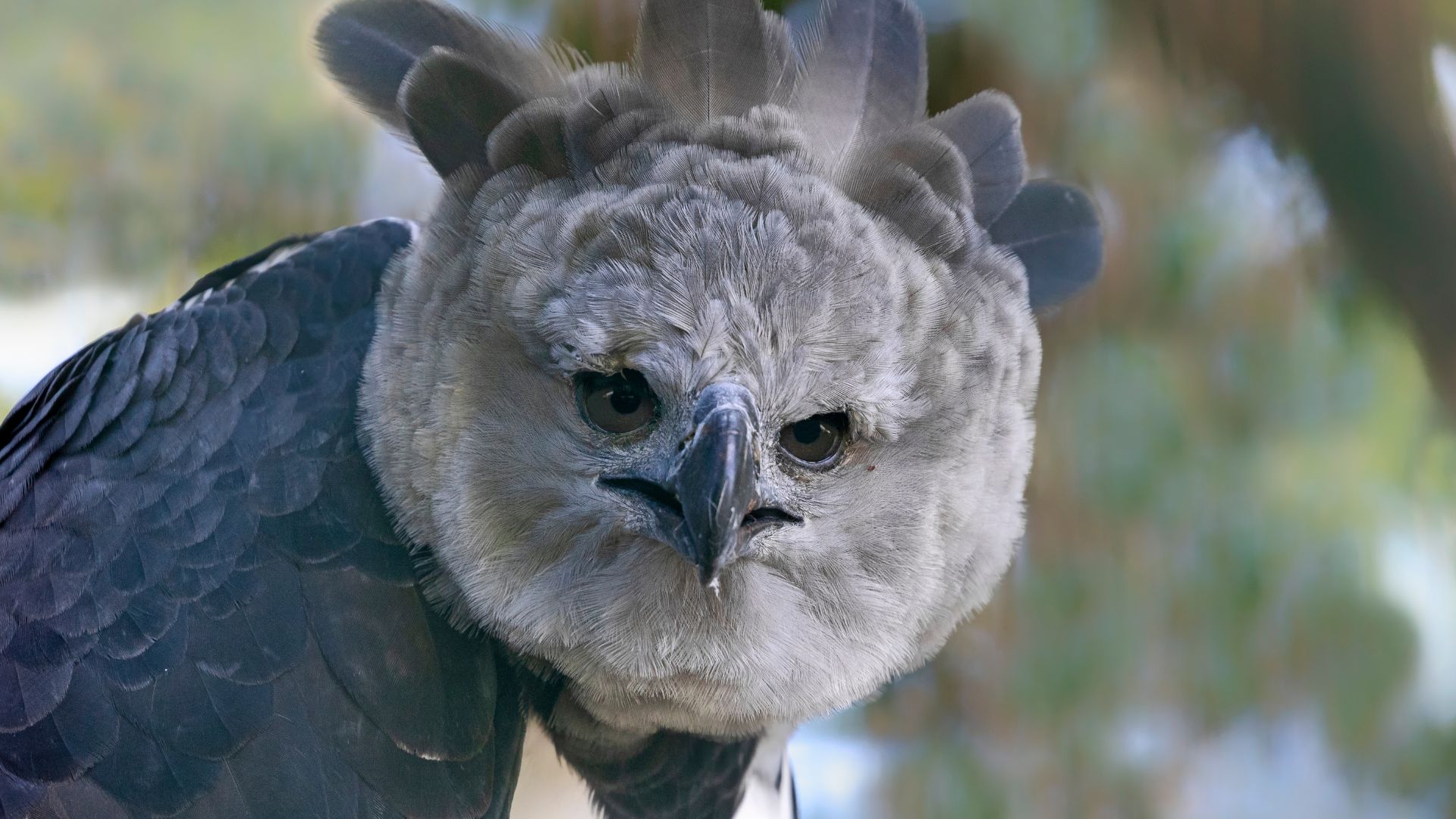
The lookout point offers chances to spot Harpy Eagle, Crested Eagle, King Vulture, and cotingas moving through the upper canopy.
After a full day of exploration, return to WAO Kamp by canoe in the late afternoon, where the forest settles into dusk and the night chorus begins.
Rise early for a hearty breakfast at 4:30 a.m., then set off on the peaceful canoe ride back upstream. Enjoy the final moments to spot birds and soak in the sounds of the rainforest awakening.
Once in El Coca, you’ll begin your journey back to Quito, carrying unforgettable memories of Yasuni’s incredible birdlife.
Pack your bags, but leave your heart — the forest will be waiting for your return.
Today, our trip will end, and you will have your international departure. Take with you your memories and photos and leave a piece of your heart, as you will want to return to Ecuador soon to experience more of this enchanted land. And as always, “buen viaje”!
Arrival in Quito, one of South America’s most attractive colonial capitals. Nestled at the foot of the Pichincha volcano, Quito is the second-highest capital in the world at 9,000 feet above sea level. Hotel check-in is usually available in the afternoon. Settle in and relax; dinner tonight is at your leisure.
The town of Puerto Baquerizo Moreno on San Cristobal is the capital and administrative center of the Galapagos Islands. In the afternoon, we will visit Playa La Loberia, which is a popular tourist spot. As its name implies, it’s well-known for hosting a large colony of sea lions, one of the iconic species of the Galapagos.
Sea lions are naturally curious and often unafraid to approach people, allowing visitors to experience close encounters and observe their natural behavior up close in their native environment.
Here, we can walk along a path where we can see iguanas and sea turtles. We can also find button mangrove, white mangrove, and palo santo.
Española Island (or Hood, in honor of the British admiral Samuel Hood) is, with 60 km², one of the smallest islands that form the Ecuadorian archipelago of the Galapagos Islands. It is the oldest of all, with about 300 million years of existence.
Uninhabited, there live several animal species of interest, such as the endemic mockingbird of Hispaniola, the Galapagos dove, the Galapagos Gull, the marine iguana, the albatross, and the pinnipeds.
Two places are especially popular with visitors: Gardner Bay, which has a beach renowned for its beauty, and Punta Suarez, of interest for its variety of birds. Gardner Islet is the most beautiful in all of Galapagos. It is home to many colonies of sea lions, and turquoise water makes a beautiful contrast with white sand consisting of shell dust. On the rocks are mixed large marine iguanas and zayapas.
Punta Suarez is located on the west end of the island. The tourist trail is about 2 km long and goes from one end of the island to the other while revealing the spectacular life of the birds. There are many blue-footed boobies nesting; you should be careful not to step on one of their nests (depending on the season).
You can observe red marine iguanas that are spread in the sun or the buzzards on the top of the trees. They hunt juvenile blue-footed boobies. Following the path, you can find masked boobies that are nesting almost all year round on the cliffs.
The culmination of the tour is undoubtedly the colony of Galapagos albatrosses, which are endemic to this island and found nowhere else on the islands or in the world. In the middle of March and the end of December, there are around 12,000 of these fascinating birds with wings of about 2.40 m.
Upon arrival at Baltra Airport, your guide will meet you with a name tag and begin your adventure. You will then take a bus to the Itabaca Channel for a 5-minute ferry ride to Santa Cruz Island, followed by a one-hour drive to Puerto Ayora.
You’ll travel to the Santa Cruz highlands to seek out elusive island endemics in beautifully unique habitats. In the highlands, you may see the shy Galapagos Rail, Short-eared Owl, large and small tree-finches, vegetarian finch, Woodpecker Finch, Green Warbler-Finch, Large Tree-Finch, in addition to Dark-billed Cuckoo.
We will visit a reserve to see wild giant tortoises. We should have little trouble locating the massive beasts as they feed in the open pastures of the reserve. You will also walk through a lava tube left over from Santa Cruz’s active volcanic island-building days.
Located in Puerto Ayora on the southern coast of the island, the Charles Darwin Research Station is a leading facility dedicated to the preservation of the Galapagos Giant Tortoise.
The station’s paths, enclosures, and breeding areas are thoughtfully designed. During our visit, a knowledgeable Galapagos guide will share detailed insights about the tortoises and the conservation techniques used to protect and breed them.
These gentle giants, the largest tortoises on Earth, have suffered dramatic population declines due to centuries of hunting and collection. Sadly, only 11 of the original 14 species are believed to remain. Ongoing research at the station continues to play a crucial role in securing its future survival.
In the afternoon, you will check into your selected hotel and relax in this magical atmosphere.
Today you will explore one of the stunning nearby islands and experience even more of the Galapagos’ natural wonders. A sailing tour is a perfect way to explore the ocean and its surroundings. These popular tours include hiking, wildlife encounters, and snorkeling, with lunch served on board the yacht.
FLOREANA
At 07h15, go to the meeting point to transfer to the pier of Puerto Ayora, where a guide will be waiting for you to embark on the ferry boat that will take you to Floreana Island. The ride to Floreana Island is 2 hours.
Upon arrival at Puerto Velasco Ibarra, sea lions and colorful marine iguanas will welcome you. A local transportation called a “chiva” will take you to the upper part of the island. Within a 30-minute journey, you will be able to observe the different, ever-changing vegetation: from dry to arid to the greenish vegetation, full of banana trees, coffee, cocoa, and tropical produce.
Accompanied by a guide, you will take a walk where you will come across giant tortoises, birds, and see varied flora. Continuing with the tour, you will arrive at the rocky base known as “Asylum of Peace.” This place is full of history!
A German family named Wittmer lived here in 1932. You will discover the pirate caves and a massive face carved in stone. Be sure to admire the beautiful landscapes from this natural viewpoint. The “chiva” will transfer you from the highlands to the town, and after a 900-meter journey, you will arrive at the site called La Loberia, which is full of sea lions and marine iguanas. While snorkeling here, you will be able to observe sea turtles, octopuses, and colorful fish.
Here we will have the opportunity to see Common Galapagos Cactus Finch, Galapagos Small Ground Finch, Galapagos Medium Ground Finch, Galapagos Small Tree Finch, Galapagos Medium Tree Finch (exclusive in Floreana), Grey Warbler Finch, and Galapagos Green Warbler Finch.
In the morning, hop to Isabela Island, the largest island in the archipelago, where most of the volcanic activity in the Galapagos is reported. The island was formed by six shield volcanoes, Alcedo, Cerra Azul, Darwin, Ecuador, Sierra Negra, and Wolf; five of them are still active which makes the island one of the most volcanically active places on earth, once we arrive enjoy an incredible hike to The Arnaldo Tupiza breeding center, located 1.2 km from Puerto Villamil.
The trail passes through mangrove ecosystems, wetlands, lava fields, carob forests, and Manzanillo. The center will cover the different pens where turtle populations are observed: Casserole, Five Hills, Roca Union, San Pedro, Caleta Iguana, Tables, and Cerro Paloma, and belong to the species present in the volcanoes Cerro Azul and Sierra Negra. In the afternoon, we will visit Tintoreras Islet, located at a short distance from Puerto Villamil.
Las Tintoreras are a group of small islets located south of Puerto Villamil on Isabela Island, known for their incredible marine life, including the presence of white-tip sharks, known as tintoreras. The area is accessible by boat, with an approximate travel time of 30 minutes. There is a water crevice where the white-tip reef shark (Triaenodon obesus) is occasionally seen resting.
On a small beach, you can find Nolana galapagensis plants, which are typical of the coastal zone and belong to a genus whose distribution is limited to Chile and Peru. In the mangrove area, there is a significant colony of sea lions (Zalophus wollebaeki).
Due to the absence of introduced animals, the reproductive success of marine iguanas (Amblyrhynchus cristatus) is high, as they use the small beaches and parts of the trail as nesting sites. Take a walk along the lava trails to observe colonies of marine iguanas, sea lions, and various bird species.
After our final breakfast on the Galapagos Islands and the last photos taken of sea lions, we will have a transfer to Baltra’s airport in time to catch the flight back to the mainland.
Begin your adventure in El Coca, where you’ll meet your tour leader before heading down the Auca Road toward the Shiripuno River. After a two-hour drive, board a canoe for a scenic ride deep into the rainforest. Along the way, watch for monkeys, colorful birds, and other wildlife as the jungle comes to life around you. Upon arrival at WAO Kamp, settle and enjoy a warm welcome from our staff.
Later in the afternoon, explore the Jacamar Trail, a prime spot for birdwatching. Keep an eye out for species like the Great Jacamar, White Hawk, and Black-faced Hawk, often spotted among mixed flocks. Spend the evening immersed in the heart of Yasuni at WAO Kamp.
Rise early for a full-day birding expedition along the Cotinga Trail, one of the most rewarding routes for serious birders. This trail is ideal for spotting the Black-necked Red Cotinga, the dazzling Fiery Topaz, and both Green and Olive Oropendolas. The area is also frequented by macaws, fruit eaters, and a variety of colorful passerines. The trail goes through habitats ideal for encountering rare canopy species. You might spot the elusive Pavonine Quetzal or a roosting Rufous Potoo.
You’ll move at your own pace, with meals adjusted to suit the day’s sightings and activity.
Return to WAO Kamp to rest and review the day’s highlights, surrounded by the sounds of the rainforest.
Start the day with an early morning canoe ride downriver, scanning the banks for different species. You’ll most likely spot the Agami Heron, Sunbittern, King Vulture, and the striking Red-and-green Macaw.
Upon arrival at El Mirador, spend the day exploring its trails and lagoon areas. In the surrounding rich habitats, birders may encounter a variety of forest dwellers. It is the perfect place to spot the Pavonine Quetzal and the Black-banded Owl.
The lookout point offers chances to spot Harpy Eagle, Crested Eagle, King Vulture, and cotingas moving through the upper canopy.
After a full day of exploration, return to WAO Kamp by canoe in the late afternoon, where the forest settles into dusk and the night chorus begins.
Rise early for a hearty breakfast at 4:30 a.m., then set off on the peaceful canoe ride back upstream. Enjoy the final moments to spot birds and soak in the sounds of the rainforest awakening.
Once in El Coca, you’ll begin your journey back to Quito, carrying unforgettable memories of Yasuni’s incredible birdlife.
Pack your bags, but leave your heart — the forest will be waiting for your return.
Today, our trip will end, and you will have your international departure. Take with you your memories and photos and leave a piece of your heart, as you will want to return to Ecuador soon to experience more of this enchanted land. And as always, “buen viaje”!
GALLERY
INCLUSIONS
What's Included?
- Airport reception and assistance in Quito and Coca Transfers airport-dock-airport in Coca.
- Canoe ride down the Shiripuno River towards the lodge and back.
- Camping Accommodation. Excursions with native & naturalist bilingual guides (Share).
- Activity daily briefing. Welcome and farewell mocktail. All meals.
- Purified water from the dispenser.
- American coffee, herbal tea, and snacks at the coffee station.
- Rubber boots are provided during your stay.
- Use of Kayaks.
- Umbrella and water poncho
What is not Included?
- Air tickets. Soft beverages: juices, sodas, sparkling water.
- Alcoholic Beverages.
- Tips for guides and staff (the suggested tip is $10 to the guide and $15 to the staff per passenger) Travel and health insurance.
- Souvenirs. Personal Expenses.
- Any other item not specified above.
- Yoga sessions (only available upon request).
Contact Us
Start Your Journey
Don’t miss the opportunity to enjoy the Wao Experience. Contact us and discover the beauty of the heart of the Yasuni.